Clothing & Textiles Pollution
Microfiber from Clothes
Tiny fibers. Big impact.
Microfibers are tiny plastic fibers that shed from our clothes, especially during washing, wearing and drying. These invisible particles enter our water systems, harm marine life, and threaten human health.
Invisible fibers. Real impact.
Global Microfiber Pollution Level
Estimated contribution from clothing (global average)
- Washing clothes releases ~700,000 fibres per wash (average household)
- Global annual release ~500,000 – 1,000,000 tons/year
- Share of total microplastics in oceans ~35%
(Source: IUCN, 2017; De Falco et al., 2019)
Global Situation
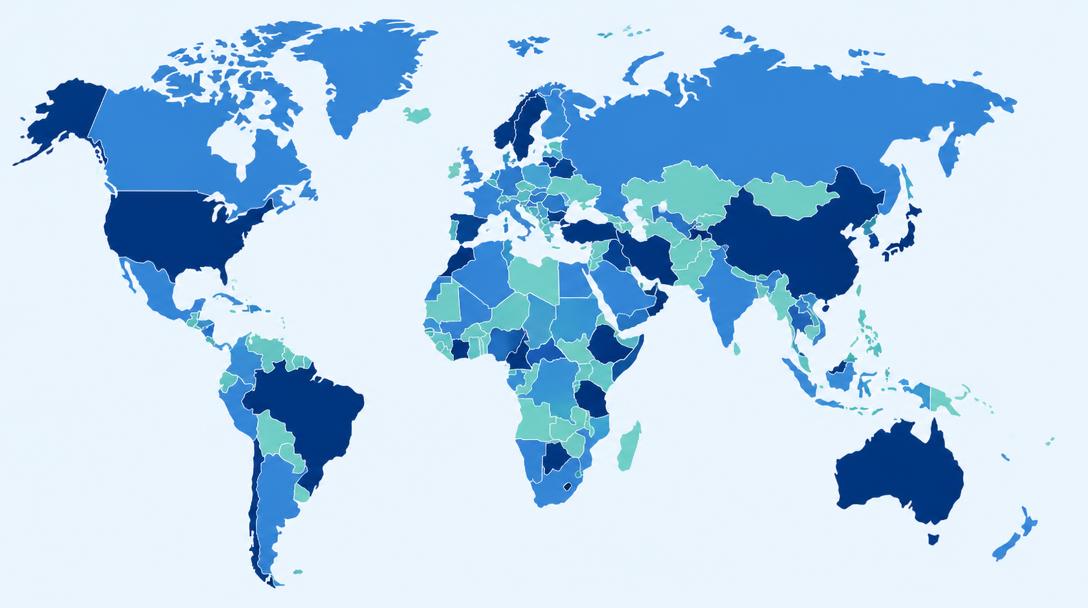
- Higher impact
- Moderate impact
- Lower impact
~500,000 – 1,000,000 tons/year
of microfiber released globally from clothes.
(Source: IUCN, 2017)
Microfiber by Region
Estimated contribution to total microplastic pollution from clothing (percentage)
- Asia35.8%
- Europe28.1%
- North America18.7%
- Africa9.2%
- South America6.4%
- Oceania1.8%
(Source: IUCN, 2017)
Why Does It Happen?
- Synthetic fabrics (polyester, nylon, acrylic) lose fibers during washing, wearing and drying.
- Regular washing machines and dryers agitate the clothes, releasing microfibers.
- Friction from daily wear and tear increases fiber loss.
- Some fibers are too small to be filtered by wastewater treatment plants.
What Are the Impacts?
On Human Health
- May enter our food chain through seafood, water and air.
- Possible links to inflammation and hormonal disruption (still under research).
On Environment
- Pollutes rivers, lakes and oceans.
- Harms marine life (ingestion and entanglement).
- Builds up in the food web.
On Wildlife
- Marine animals mistake it for food or get entangled in fibers.
- Affects fish, birds, and other aquatic life.
Where Is It Worst?
Higher concentration in:
- Coastal areas and ocean gyres
- Urban areas (high textile use)
- Regions with intensive fashion industries
- Areas with poor wastewater infrastructure
(Source: IUCN, 2017; Ellen MacArthur Foundation)
Real Impact on Our Planet
Marine Life
Microfibers are found in fish, seabirds and other marine species, causing harm and bioaccumulation.
Soil Contamination
Fibers settle in soil, affecting soil health and fertility.
Water Pollution
Increases microplastic levels in rivers, lakes and oceans.
Ecosystems
Disrupts marine and freshwater ecosystems and biodiversity.
How Does It Affect Our Daily Life?
The clothes we wear may look clean, but they shed tiny plastic fibers every time we wash them.
Wearing
Fibers loosen from fabric.
Washing
Releases most microfibers (especially in machines).
Drying
Tumble dryers increase fiber shedding.
Environment
Fibers enter water systems and beyond.
Energy & Economy
Indirectly affects energy use and economy through:
- Higher production and washing energy (more frequent washes)
- Increased water and wastewater treatment costs
- Environmental cleanup costs (shorelines, oceans, ecosystems)
(health and environmental impacts)
(Source: Ellen MacArthur Foundation, 2017)
Solutions
- Choose natural or low-shed fabrics (e.g., cotton, linen, hemp).
- Use a microfiber-catching laundry bag or filter.
- Wash clothes less frequently and at lower temperatures.
- Support better wastewater treatment and sustainable fashion.
Interesting Facts
A single polyester shirt can release ~1.9 million microfibers per wash.
Most fibers are released in the first few washes (especially new clothes).
Microfibers can be as small as 5–100 micrometers (less than a grain of sand).
They are found in the deepest parts of the ocean and even in our food chain.
Top 5 Countries with Highest Microfiber Release from Clothes
- 1.India12.4%
- 2.China11.8%
- 3.Indonesia9.6%
- 4.Bangladesh7.8%
- 5.USA6.3%
(PM2.5 contribution, IUCN, 2017)
Microfiber Map
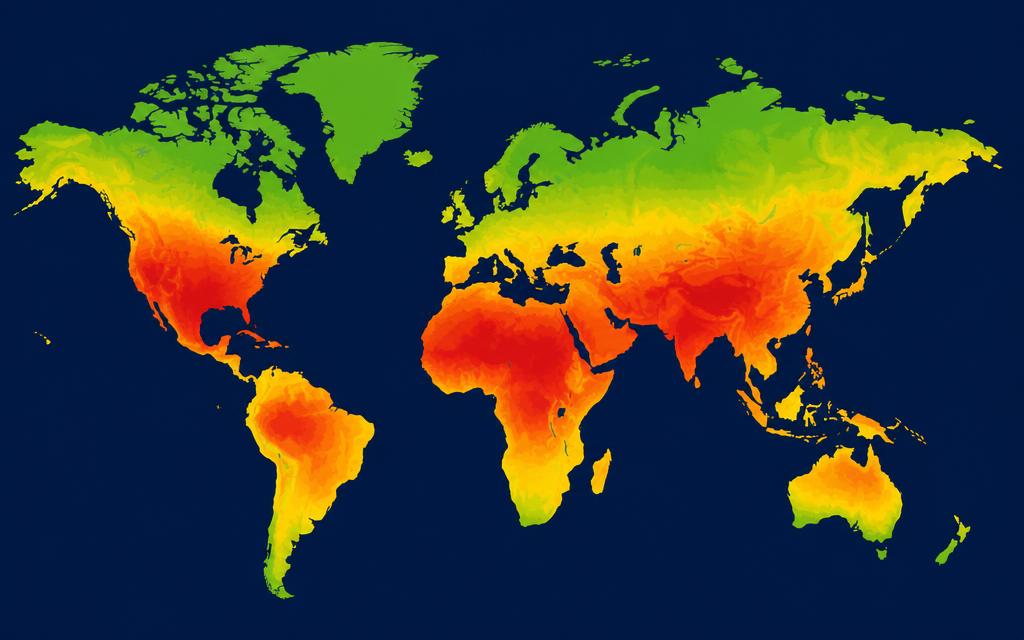
- High
- Medium
- Low
Community Comments
Share how you are reducing microfiber pollution. Comments are saved on this device only.
0 comments
No comments yet — be the first to share your microfiber pledge.