Water
Scarcity
Every drop tells a story.
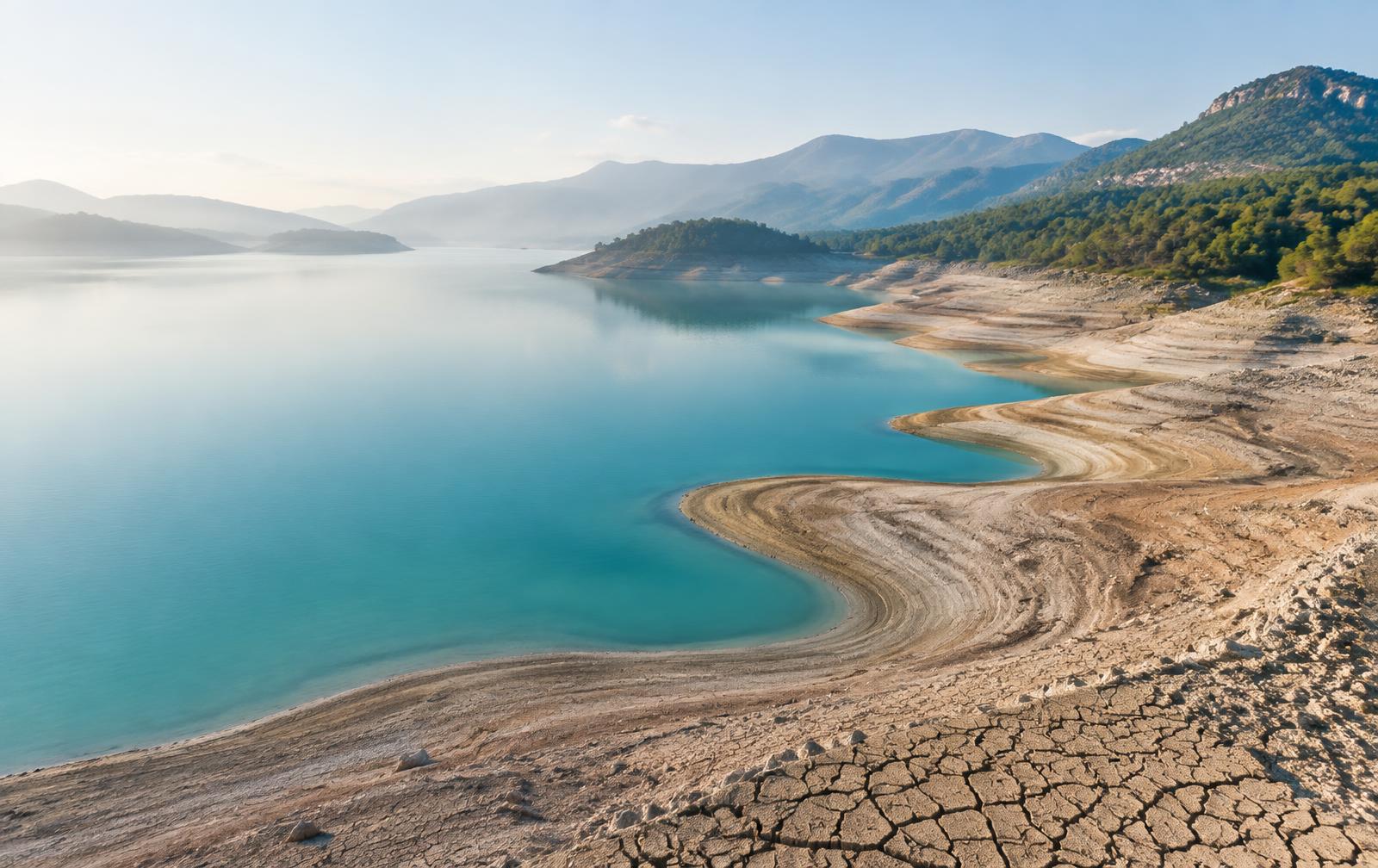
Freshwater is one of Earth's most valuable resources. Yet growing demand, climate change, pollution and changing rainfall patterns are placing increasing pressure on the water we depend on.
The blue paradox
Why Does Water Matter?
Our planet looks abundant in water. The usable share tells another story.is covered by water
About 96.5% of Earth's water is in the oceans. Most freshwater is frozen or underground, leaving only a small fraction readily accessible in lakes and rivers.
Source: USGS Water Science SchoolFrom abundance to access
Where Earth's Water Goes
Move through the stream to see how the apparent abundance narrows.Oceans
~96.5% of all Earth's water is saline ocean water.
Ice & glaciers
Most surface freshwater is held in ice sheets and glaciers.
Freshwater
Only about 2.5% of Earth's water is freshwater.
Accessible freshwater
Lakes and rivers hold only a tiny share of total water.
Distribution values: USGS, “Where is Earth's Water?”
A shared pressure
Water Stress Across the World
Hover or focus on a region to explore broad baseline water-stress patterns.Middle East & North Africa
WRI identifies many countries here among the world's most water-stressed.
Source: WRI Aqueduct 4.0Illustrative regional overview—not a country ranking. Conditions vary within regions and over time.
The scale of the challenge
Water at a Glance
people lacked safely managed drinking water services in 2022.
WHO / UNICEF JMP, 2023of global freshwater withdrawals are associated with agriculture.
FAO AQUASTATpeople experience severe water scarcity for at least part of the year.
UN World Water Development Report, 2024of the world's population lives in countries facing extremely high annual water stress.
WRI Aqueduct, 2023Pressure builds from many directions
What Is Driving Water Scarcity?
Select a force to see how natural systems and human demand become intertwined.scarcity
Rising heat and shifting rainfall can intensify droughts, floods and uncertainty.
One water, always moving
Earth's Water Cycle
Select each stage. Climate change and human activity can alter timing, quality, storage and flow.Evaporation
Sunlight turns surface water into vapor. Climate shifts and human use can change how much water arrives, where it is stored and whether it remains clean.
Lives in the balance
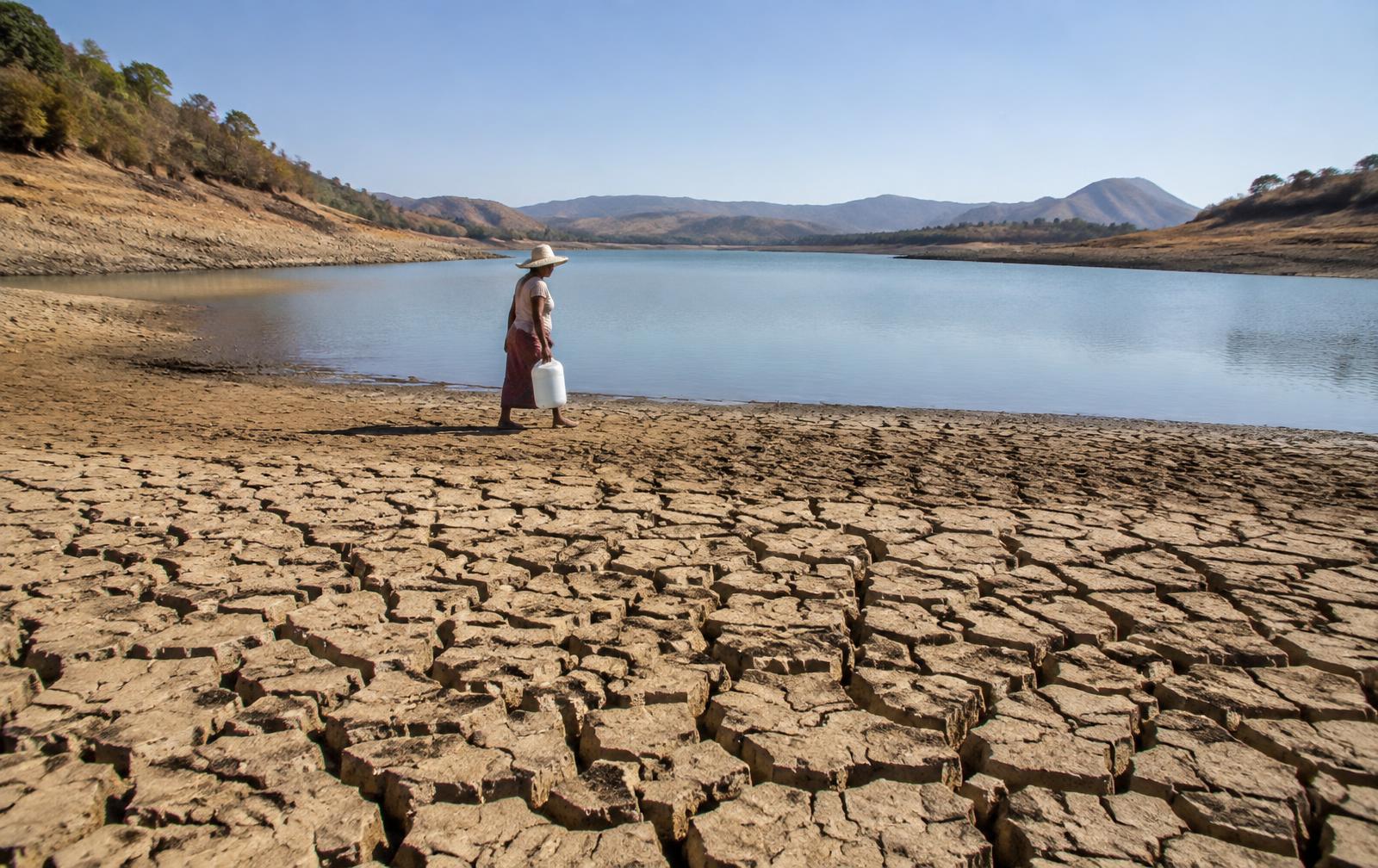
When Water Becomes Scarce
HealthSafe drinking water and sanitation become harder to maintain.
FoodAgriculture depends heavily on reliable water supplies.
LivelihoodsFarmers, workers and communities can face economic pressure.
MigrationSevere shortages can contribute to displacement and migration pressures.
Water is everywhere in our routines
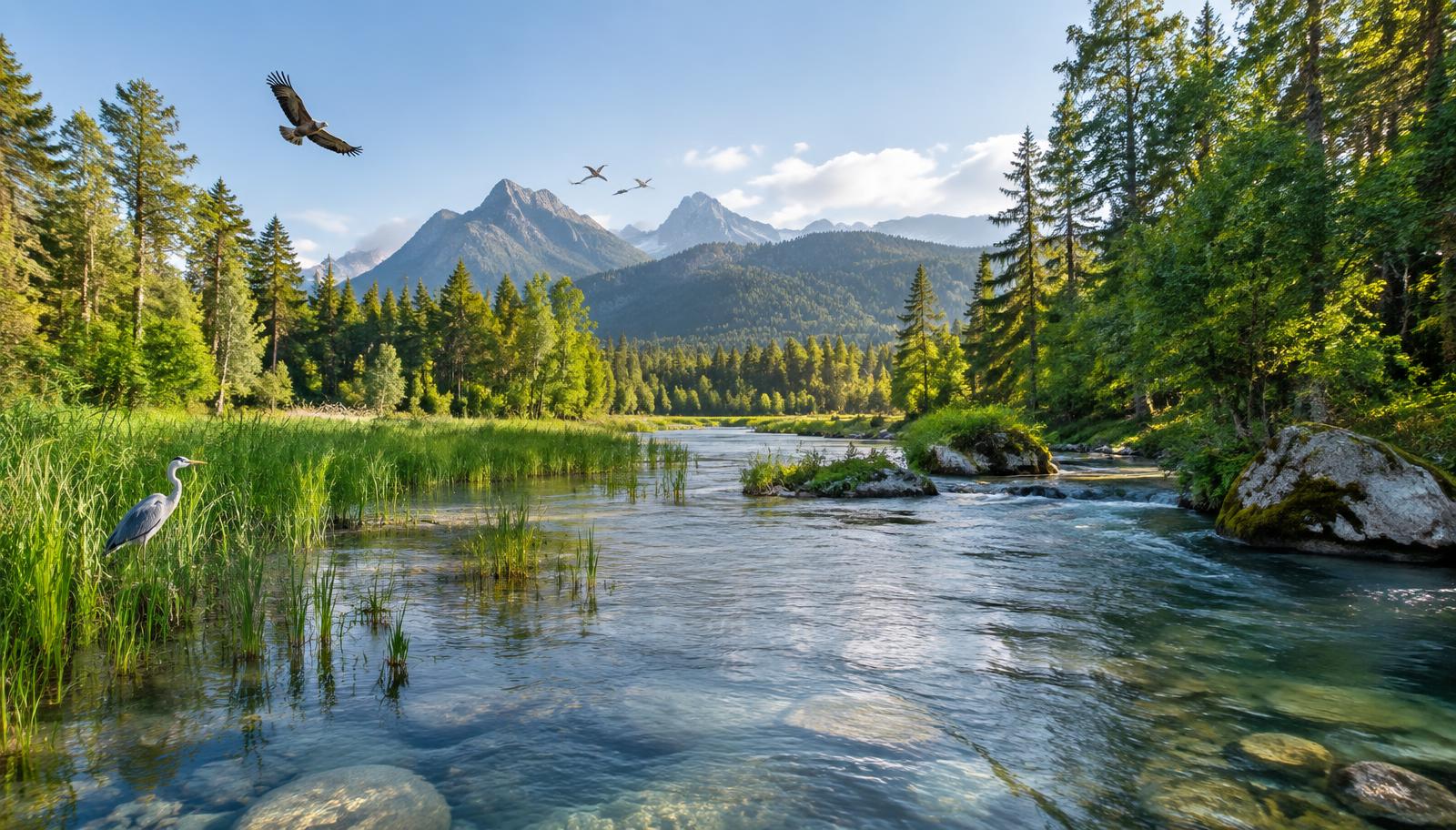
Imagine a Day Without Reliable Water
Morning
Water starts the day: drinking, washing, sanitation and preparing breakfast.
Water beyond the tap
Your Hidden Water Footprint
Choose an everyday item to trace the water used across its wider journey.Coffee
Its footprint includes growing, processing, transport and preparation—not only the water in the cup.
Small choices can reduce pressure on freshwater resources.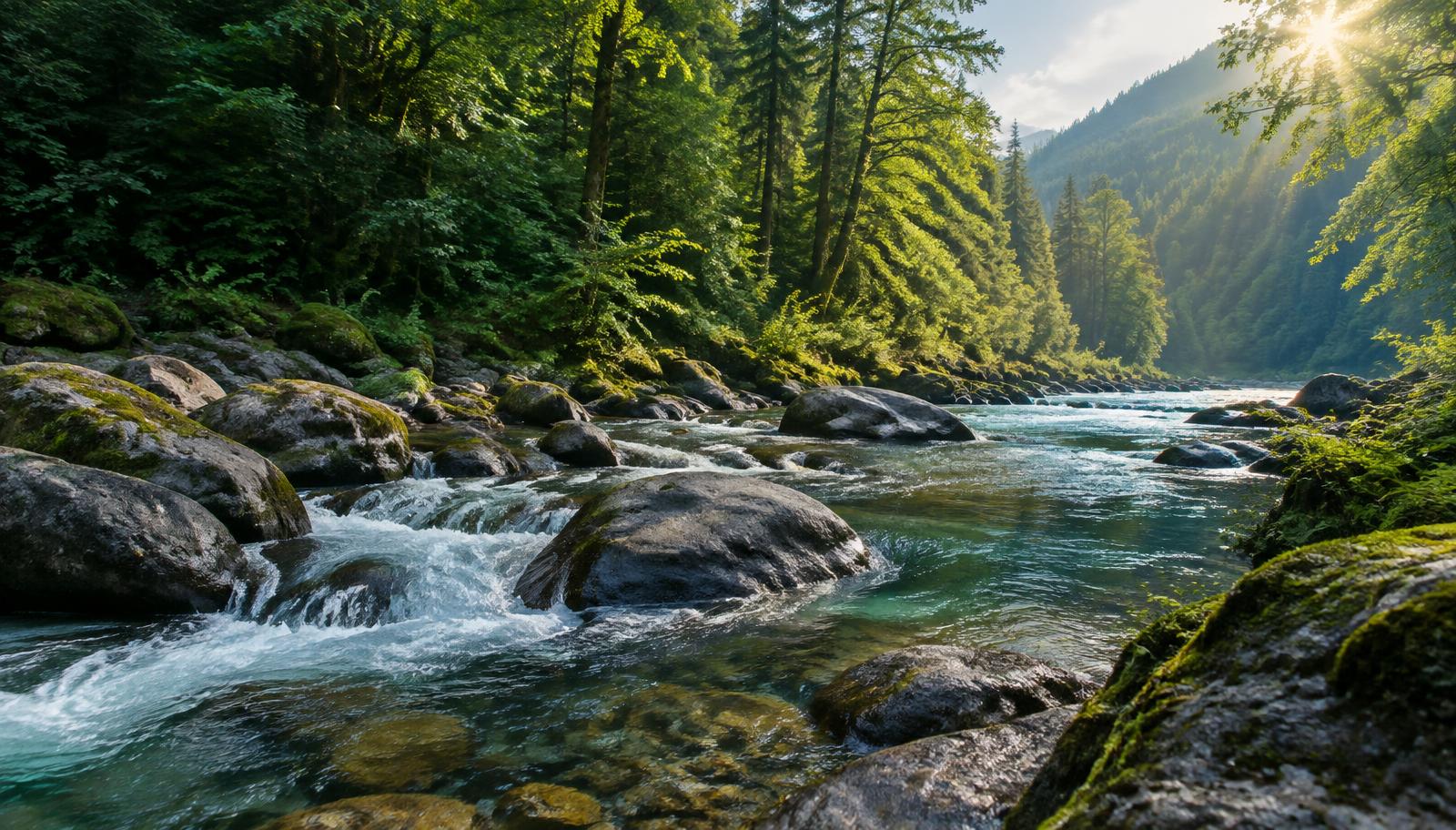
Start where you are
What Can I Do?
Helpful changes can begin small. Choose an action to make it practical.7-Day Water Challenge
Shared waters
Community Voices
What does water mean to you?2 voices · 0 replies
Water connects us all.
Protecting freshwater means protecting communities, food, wildlife and our future.
Restoring the wetland near our town showed me that water security and biodiversity belong in the same conversation.
For me, water means time. Our community plans each day around when the local supply will run.